
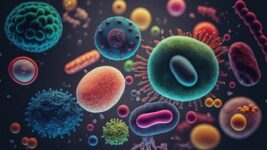
Foundations of Bacteriology: Understanding Microbial Life
Bacteriology, the study of bacteria, is a cornerstone of microbiology and plays an essential role in fields such as medicine, environmental science, and biotechnology. This course provides a comprehensive exploration of bacterial structure, function, genetics, and their interactions with humans and the environment. Students will gain a deep understanding of bacterial identification techniques, antibiotic resistance mechanisms, and the role of bacteria in health and disease. Whether you’re a beginner or someone with a foundational understanding of microbiology, this course will enhance your knowledge and skill set in bacteriology.
Detailed Course Outline:
Introduction to Bacteriology: History, development, and significance of bacteriology in modern science.
Bacterial Cell Structure and Function: Detailed study of bacterial anatomy—cell walls, membranes, pili, flagella, and their respective functions.
Bacterial Growth and Reproduction: Processes like binary fission, growth phases, and factors influencing bacterial growth.
Microbial Genetics: Gene regulation, DNA replication in bacteria, plasmids, transposons, and bacteriophages.
Bacterial Identification Techniques: Methods such as Gram staining, culture techniques, PCR, and sequencing.
Pathogenic Bacteria and Host Interaction: Understanding bacterial pathogenesis, virulence factors, and human immune response.
Antibiotic Resistance: Mechanisms of resistance, impact on global health, and the development of new treatment strategies.
Environmental Bacteriology: The role of bacteria in ecosystems, including nitrogen fixation, decomposition, and water purification.
Applied Bacteriology: Bacterial applications in biotechnology, medicine, and agriculture.
Current Research and Future Trends: Exploration of cutting-edge research and future directions in bacteriology.
Who this course is for:
Undergraduate students in microbiology, biology, biotechnology, and medical sciences.
Medical and health professionals looking to refresh or deepen their knowledge of bacteriology.
Laboratory technicians interested in advancing their understanding of bacterial identification and antibiotic resistance.
Environmental scientists studying microbial interactions in ecosystems.
Anyone with an interest in understanding bacteria and their effects on health and the environment.